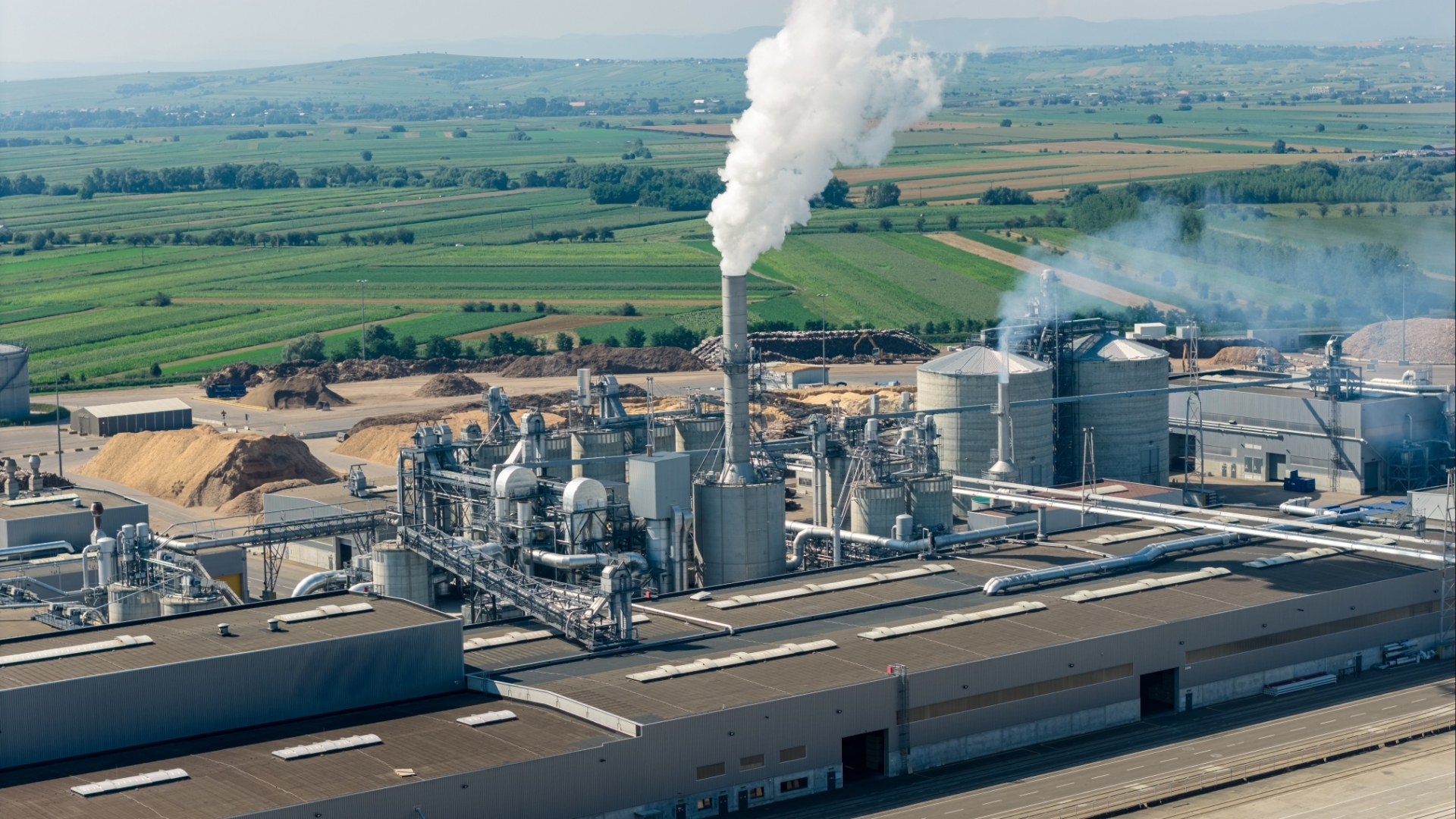







West Java began construction on the $400 million Legok Nangka waste-to-energy plant on July 29, 2026, a public-private facility designed to process up to 2,000 tons of municipal waste daily and supply roughly 40 MW to the regional grid by late 2029. The project, backed by Japanese climate financing, aims to resolve a worsening waste crisis in Greater Bandung while adding new generating capacity to West Java’s power system.
Key Facts At A Glance
- Location: Bandung District, West Java, Indonesia
- Groundbreaking date: July 29, 2026
- Project cost: approximately US$400 million (Rp7.2 trillion)
- Waste processing capacity: 1,853–2,131 metric tons per day
- Electricity generation: 40.79 MW installed capacity
- Construction period: approximately 41 months; commercial operations targeted for late 2029
- Jobs expected: approximately 1,500
- Estimated emissions reduction: about 311,000–311,874 tons of CO2 equivalent annually
- Coverage area: Bandung City, Bandung District, West Bandung District, Cimahi City (and reportedly Sumedang and Garut)
- Developers: PT Jabar Environmental Solutions (JES) and Japan’s Sumitomo Hitachi Zosen, under a public-private partnership supported by Japan’s Joint Crediting Mechanism (JCM)
West Java Governor Dedi Mulyadi presided over the groundbreaking ceremony alongside Deputy Minister of Energy and Mineral Resources Yuliot Tanjung, describing the project as delivering “three major blessings” for the region once it comes online in 2029: a long-term solution to waste accumulation, additional electricity supply, and improved environmental quality. The facility is intended to relieve pressure on the Sarimukti final disposal site, whose limited capacity has strained waste management across Bandung City, Bandung District, West Bandung District and Cimahi City.
Deputy Minister Tanjung said the plant would process roughly 2,000 tons of waste per day and generate about 40 MW of electricity, adding that it is expected to create approximately 1,500 jobs and strengthen energy availability in West Java Province. He said the installed capacity would reach 40.79 MW, with commercial operations scheduled for the end of 2029 following an estimated 41-month construction period.
Public-Private Structure And Financing
The project is being developed jointly by PT Jabar Environmental Solutions and Japanese firm Sumitomo Hitachi Zosen, marking what regional outlets described as Indonesia’s first waste-to-energy project structured under a public-private partnership with support from Japan’s Joint Crediting Mechanism, a bilateral carbon-financing scheme. Tanjung thanked the Japanese government for encouraging Japanese investment in Indonesia’s waste-to-energy sector and said the project could serve as a model for similar facilities elsewhere in the country.
Technology And Environmental Safeguards
Responding to public concerns about combustion emissions, Tanjung said the plant’s incinerator technology would operate at temperatures exceeding 800 degrees Celsius, a threshold intended to ensure more complete combustion and minimize the formation of dioxins. Transmission lines connecting the facility to the nearest substation are being developed in parallel with state utility PT PLN (Persero), allowing power generated at the site to feed directly into the grid once operations begin.
Broader Context
The groundbreaking comes as Indonesia grapples with a mounting municipal waste problem; the Ministry of Energy and Mineral Resources has said the country generated 56.6 million tons of waste in 2025, with roughly 35.7 percent—about 20.2 million tons—inadequately managed through open burning, river dumping, or overcapacity landfills. As a shorter-term measure, West Java’s provincial government is also promoting village-level equipment that converts waste into briquettes, an approach it has already piloted at the Gedung Sate government complex.