
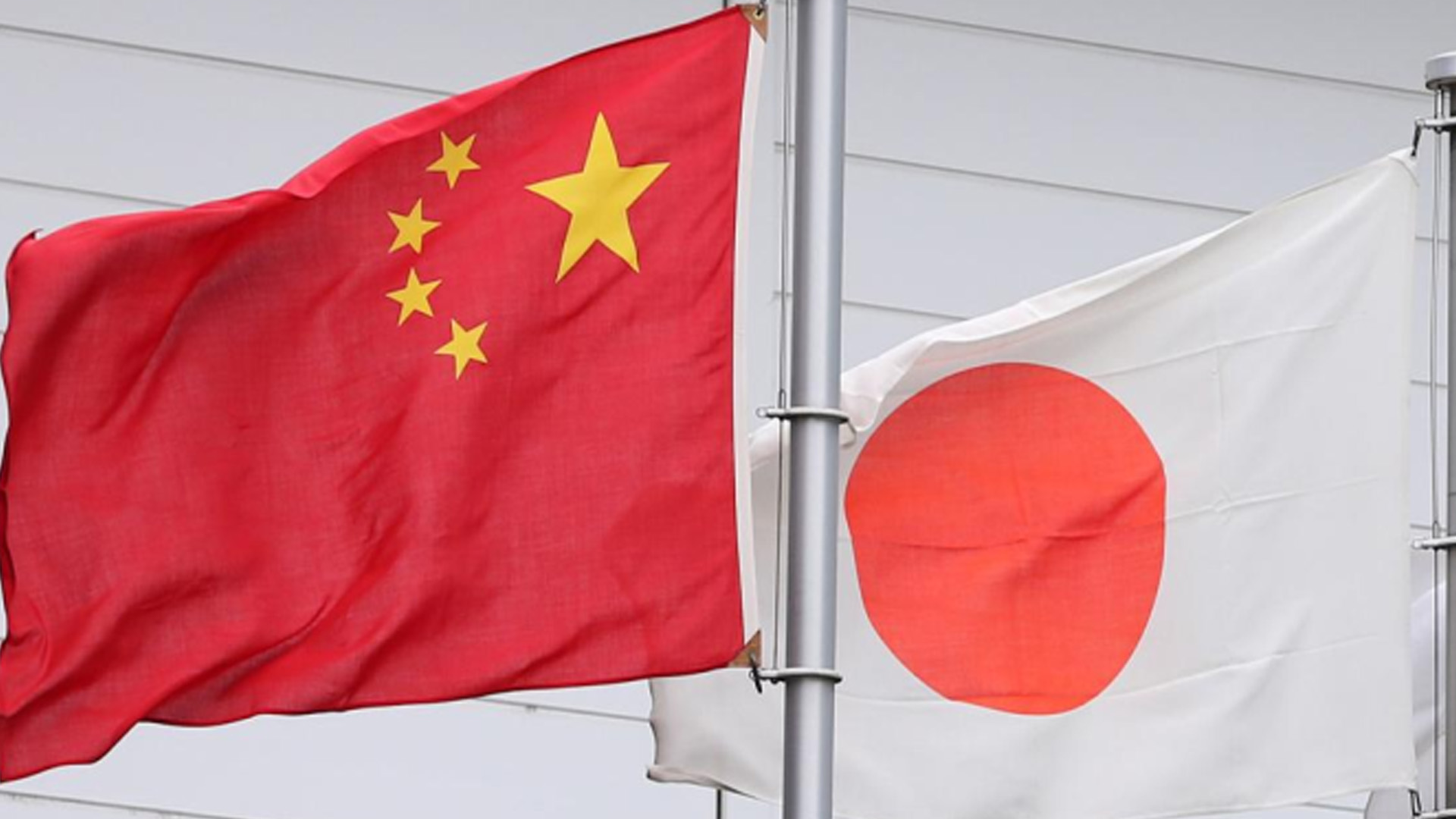







Chinese customs authorities said the country will permit the import of Japanese fishery products starting June 30, lifting its blanket ban that has been in place for two years.
The ban was introduced in August 2023, when Tokyo Electric Power Co. Holdings, Inc. began releasing treated tritium-containing water into the Pacific from its meltdown-stricken Fukushima No. 1 nuclear power plant in the northeastern Japan prefecture of Fukushima.
China’s General Administration of Customs, however, said the import ban would remain in effect for 10 prefectures, including Tokyo and Fukushima, which had been subject to a ban even before the blanket prohibition began.
At the end of May this year, the Japanese government announced that it reached an agreement with Beijing on procedures to resume the export of Japanese fishery products to China.
The Chinese government also said that it had made substantial progress in its discussions with Japan. Both countries were working to finalize import conditions and other details.
According to the General Administration of Customs, new documentation, including a certificate from the Japanese government regarding an inspection for radioactive materials, will be required for exports to China.
The 10 prefectures that will remain subject to the ban also include Gunma, Tochigi, Ibaraki, Miyagi, Niigata, Nagano, Saitama, and Chiba.
Japan will continue to urge China to scrap the ban for the 10 prefectures.
The Chinese government had blasted TEPCO’s water releases, referring to the treated water as “nuclear-contaminated water,” as it introduced the blanket ban.
The General Administration of Customs stated that the resumption was decided because the Japanese government assured the safety of fishery products, and no problems were found with the treated water. (PNA)