
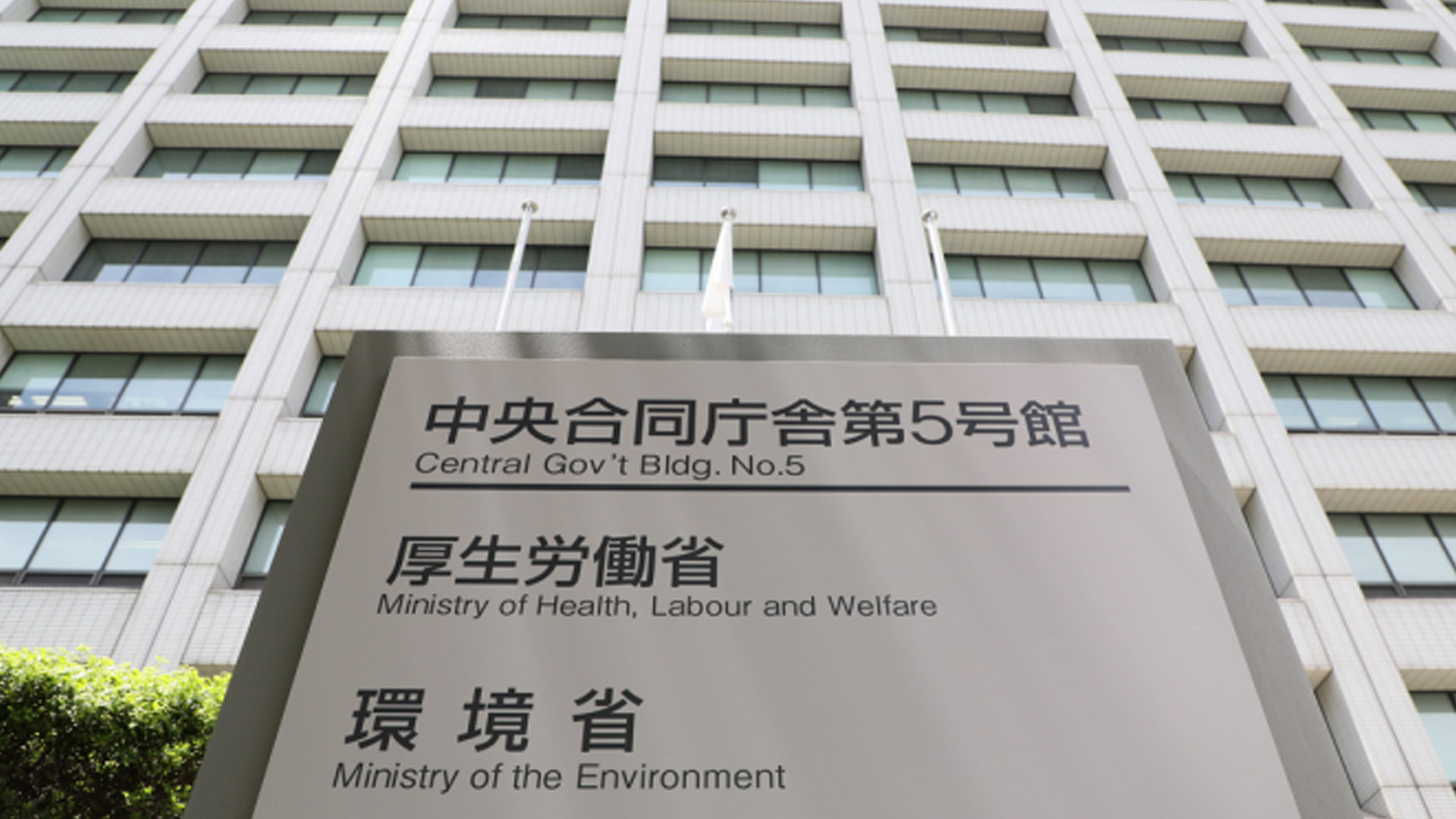







The number of foreign workers in Japan as of the end of October 2025 jumped 11.7 percent from a year before to 2,571,037, hitting a record high for 13 years in a row amid the country’s labor shortages, the labor ministry said Friday.
Policies on foreign nationals are one of the key issues in the campaign for the Feb. 8 election for the House of Representatives, the lower chamber of the Diet, Japan’s parliament.
By nationality, Vietnamese workers made up the largest group of foreign workers, at 605,906, up 6.2 percent, followed by Chinese workers, at 431,949, up 5.7 percent; workers from the Philippines, at 260,869, up 6.2 percent; Nepalese workers, at 235,874, up 25.7 percent; and Indonesian workers, at 228,118, up 34.6 percent.
By industry, the number of foreign workers in the manufacturing sector grew 6.1 pct to 635,075, accounting for a quarter of the total.
The number of foreign workers climbed in sectors that struggle with serious labor shortages.
The number rose 14.2 percent to 340,687 in the wholesale and retail sector, grew 17.1 percent to 319,999 in the lodging and restaurant sector, and climbed 25.6 percent to 146,105 in the medical and welfare sector. (PNA)